 Abashiri Cruises
Home › Guides › Drift Ice in Hokkaido: When and Where to See It from Abashiri
Drift Ice in Hokkaido: When and Where to See It from Abashiri
The best time for drift ice Hokkaido trips is mid-February to early March, the window the Aurora operator names for Abashiri, though warming has delayed and reduced the ice in recent winters. The Aurora icebreaker sails cruises of about 1 hour from January 20 to March 31. This guide covers when the ice arrives, where to see it, what the Abashiri cruise guide costs and what happens on a day without ice.
Quick answer When to see drift ice in Hokkaido
Aim for mid-February to early March, the window the Aurora operator names for drift ice off Abashiri. The icebreaker Aurora sails cruises of about 1 hour from January 20 to March 31, and the adult fare is $44.23 (¥7,000). Ice is never guaranteed on a given day.
Key takeaways
- Read how the Abashiri cruise works, from fares to the no-ice course.
- The Aurora Icebreaker Day Trip from Sapporo adds the drift ice museum to the cruise for $295.
- The 2-Day Aurora Cruise, Asahiyama Zoo and Onsen runs on set dates for $398, plus a 1,000 JPY festival fee on site.
- The 4-Day Red-Crowned Cranes and Drift Ice Tour at $975 pairs the cruise with the cranes of Kushiro.
When is the best time to see drift ice in Hokkaido?
Mid-February to early March is the window the Aurora operator names, though warming has delayed and reduced the ice so past patterns may not hold.
Drift ice moves with wind and tide, so no date is fixed. The season still has a shape along the Okhotsk Sea coast.
The season at a glance
JNTO puts the viewing season along the Okhotsk Sea coast at mid-January to late March. The Aurora, the icebreaker that runs the Abashiri sightseeing cruise, operates from January 20 to March 31. The operator says the best time was historically mid-February to early March, but warming has delayed and reduced the ice, so past patterns may not hold.
JNTO calls Hokkaido the southernmost point in the Northern Hemisphere where drift ice can be seen. Hokkaido Love says the ice typically reaches Abashiri from late January.
| Period | What you can expect in Abashiri |
|---|---|
| Early to mid January | JNTO's coastal window opens, but the Aurora season has not started yet. |
| January 20 to 31 | Aurora season opens. Ice usually first reaches Abashiri from late January, so early sightings are possible but not the norm. |
| February | The historical best window opens in mid-February. Book this month if the sighting matters most. |
| Early March | Still inside the historical best window, which runs to early March. |
| Mid to late March | Sailings continue to March 31. JNTO's coastal window closes in late March. |
| After March 31 | No more Aurora sailings until the next January 20. |
How much does the arrival date move?
It moves a lot. In one recent season the first drift ice day at Abashiri came 24 days later than the 1991 to 2020 average, and the latest since records began in 1946, according to the Japan Meteorological Agency archive. Ice first reached the shore 13 days later than average that same season.
The lesson is simple. Book a cruise in the middle of the season rather than on its first days. The Abashiri observatory issues a sea ice report when it observes the first day of drift ice or the first day of ice reaching the shore, and the Okhotsk Ryuhyo Museum announces the first drift ice day each winter, so you can check conditions shortly before you travel.
Sources: Abashiri Cruises (Aurora), Abashiri Cruises (Aurora), Japan National Tourism Organization, Hokkaido Tourism Organization, Japan Meteorological Agency, Okhotsk Ryuhyo Museum.
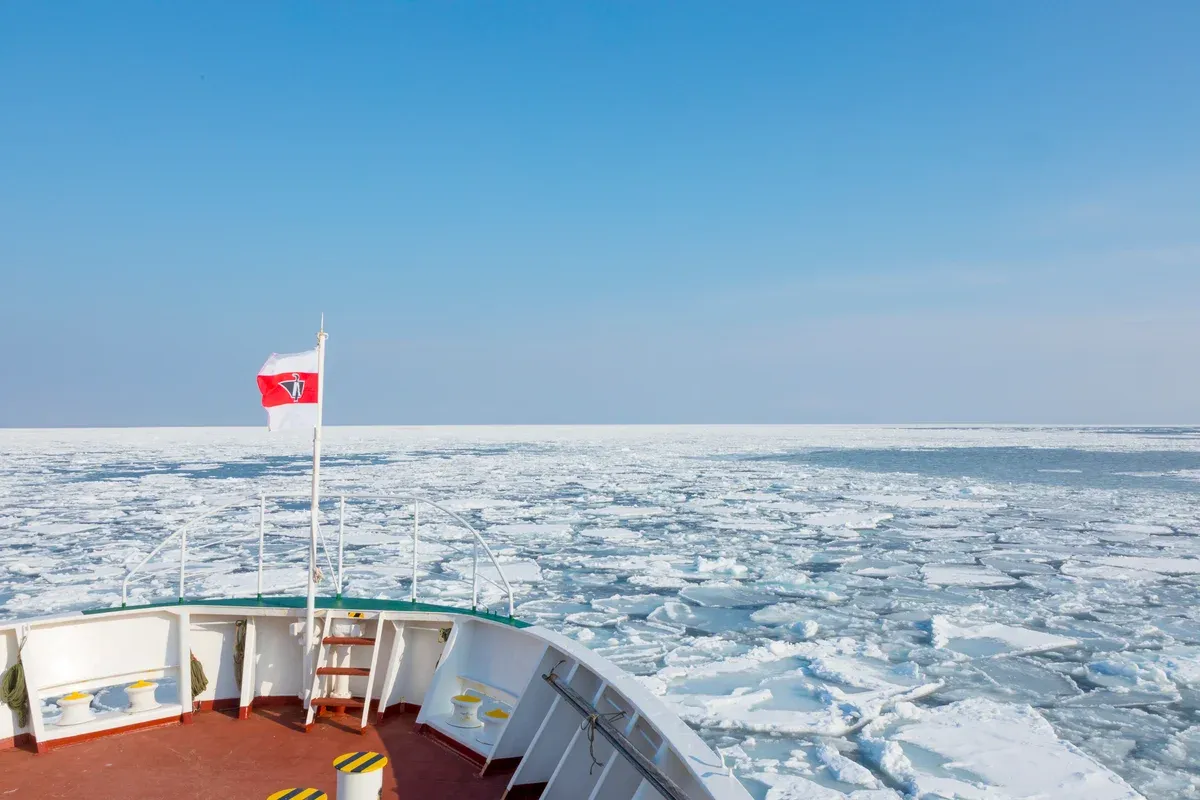
The Aurora's bow heading into the drift ice off Abashiri. Photo: kkawamura, CC BY 4.0, via Wikimedia Commons
What is drift ice and where does it come from?
Drift ice is sea ice that JNTO traces to the Amur River on the Russian-Chinese border, drifting about 1,000 kilometres south on winds and currents to eastern Hokkaido.
The Japanese word is ryuhyo. Abashiri is the easiest place to see it from the deck of a ship.
The journey of the ice
JNTO says the ice begins a journey of about 1,000 kilometres at the Amur River and drifts south on winds and currents. Hokkaido Love says it typically reaches Abashiri from late January. The Aurora season runs from January 20 to March 31 to meet it.
From the deck the ice looks like a moving field of white plates that shifts as the ship breaks through. That is the core of an Abashiri cruise. The ship can travel up to 10 km one way to reach the ice, per the operator.
Sources: Japan National Tourism Organization, Hokkaido Tourism Organization, Abashiri Cruises (Aurora).
Where can you see drift ice on Hokkaido?
Drift ice is seen mainly from Abashiri, Monbetsu and the Shiretoko coast at Utoro.
All three sit on the Okhotsk Sea coast in eastern Hokkaido. Abashiri has the easiest access and the largest sightseeing ship.
The three main locations
Abashiri is the practical base for most travellers. The Aurora sails from Michi-no-Eki Ryuhyo Kaido Abashiri, about 30 minutes by car from Memanbetsu Airport, and the Okhotsk Ryuhyo Museum sits on Mt Tento above town. Monbetsu runs its own drift ice boat, the Garinko-go III.
At Utoro on the Shiretoko Peninsula, JNTO lists guided drift ice walks in a dry suit.
| Location | Main experience | Best for |
|---|---|---|
| Abashiri | Aurora icebreaker cruise of about 1 hour | First-time visitors, easy access, families |
| Monbetsu | The Garinko-go III drift ice boat | Travellers already on the Okhotsk coast |
| Shiretoko (Utoro) | Guided drift ice walks in a dry suit, early February to mid-March | Active travellers who want to touch the ice |
Is there drift ice in Sapporo?
No. Sapporo sits on the Japan Sea side of Hokkaido and the drift ice arrives on the Okhotsk Sea coast in the east. JNTO gives Sapporo to Abashiri as about 6 hours by bus. If you would rather not plan that leg, the Aurora Icebreaker Day Trip from Sapporo at $295 covers the coach, the cruise ticket and the drift ice museum.
Sources: Japan National Tourism Organization, Hokkaido Tourism Organization.
Tours That Fit
These are the Abashiri drift ice tours you can book for the season.
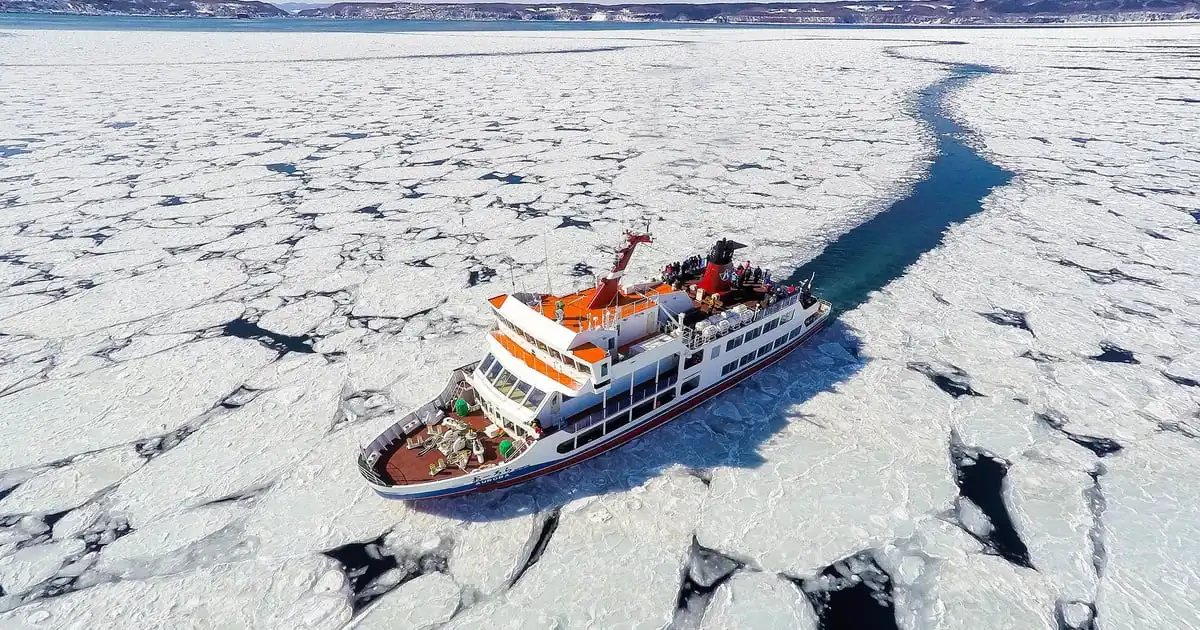 from $295
Editor's pick
Hokkaido Icebreaker Cruise & Museum Day Trip
One long day from Sapporo with the Aurora cruise and the drift ice museum in the price. About five hours by coach each way.
Check Availability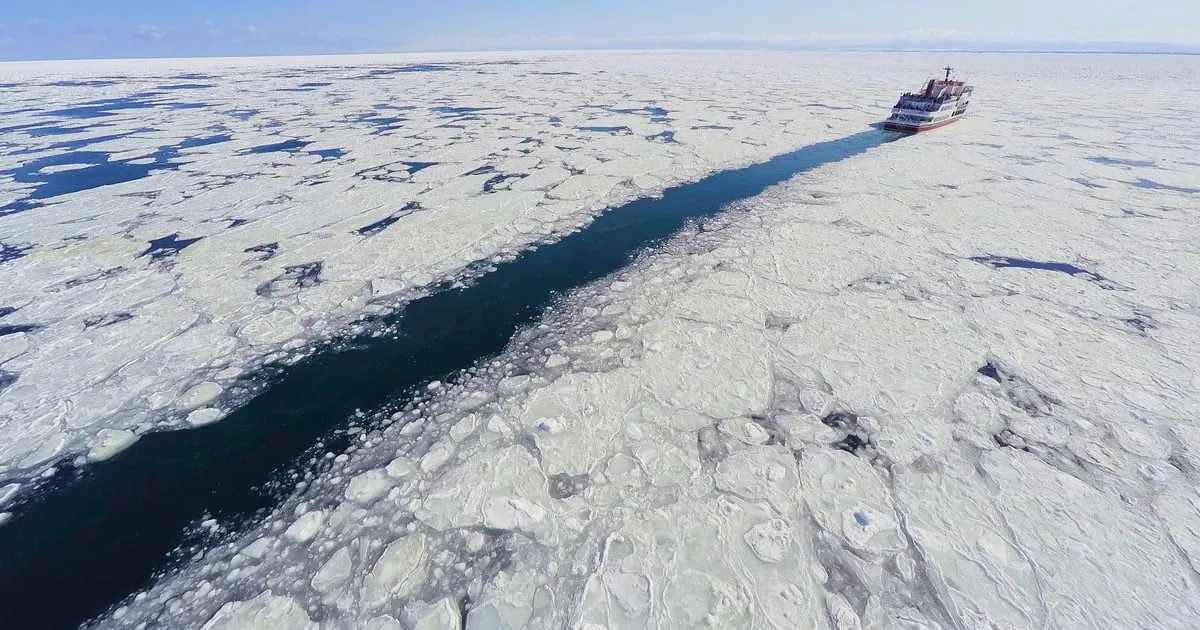 from $398
Aurora + onsen night
Drift Ice Cruise Aurora, Asahiyama Zoo, Onsen 2D1N Winter
Two days from Sapporo: Asahiyama Zoo, an onsen night by Lake Abashiri, then the Aurora cruise. Runs on set February and March dates.
Check Availability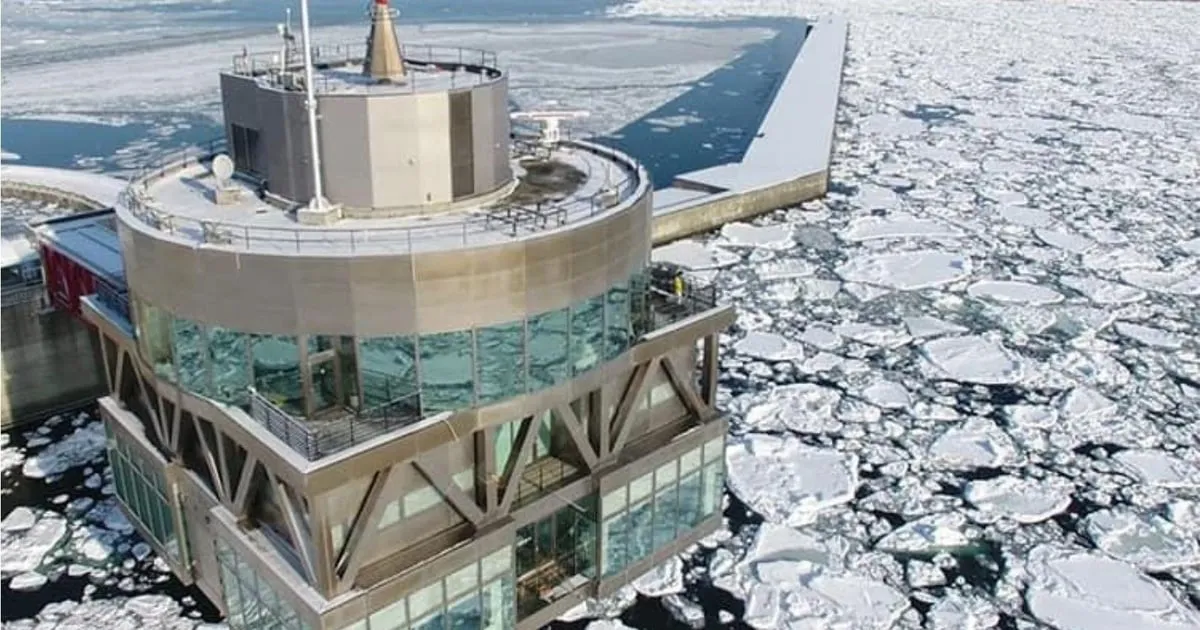 from $617
2-Day Drift Ice Cruise & Asahiyama Zoo Tour
Two days from Sapporo with Asahiyama Zoo, the prison museum, an onsen night and an icebreaker cruise in the price.
Check Availability from $975
Red-Crowned Cranes & Drift Ice Hokkaido 4-Day Tour
Four private days from Kushiro: red-crowned cranes, Lake Mashu and the Abashiri drift ice cruise in the price.
Check AvailabilityHow much does a drift ice cruise in Abashiri cost?
The Aurora operator lists the large ship adult fare at $44.23 (¥7,000) for a cruise of about 1 hour, and packages with the cruise in the price start at $295 per person.
There are two ways to pay for your ice day. Buy a ticket from the operator, or take a package that bundles the cruise with transport, a guide and other stops.
Booking through a package
Packages remove the planning risk. The Aurora Icebreaker Day Trip from Sapporo costs $295 per person for one day, with free cancellation up to 24 hours before. The 2-Day Drift Ice Cruise and Asahiyama Zoo Tour at $617 per person adds Asahiyama Zoo and an onsen hotel night. Its listing includes an icebreaker cruise but does not name the ship.
For a private day, the Private Abashiri Drift Ice Cruise and Culture Day costs $2,065 per group up to 6 for 8 hours. The 4-Day Red-Crowned Cranes and Drift Ice Tour costs $975 per person and links the ice with the crane grounds near Kushiro.
The 2-Day Aurora Cruise, Asahiyama Zoo and Onsen at $398 per person runs on set dates. It adds a Sounkyo Ice Waterfall Festival venue support fee of 1,000 JPY per person, paid on site, and day 1 lunch is not included.
How do I book the Abashiri drift ice cruise?
Online and phone bookings are both possible, and the operator asks you to book only your first-choice sailing. Seats are unreserved and boarding goes in queue order, so a full ship can turn away even a booked passenger. Finish boarding procedures at least 20 minutes before departure, since the counter closes 5 minutes before.
From January 20 to 31 the first large ship sailing is at 9:00. From February to March 14 it is at 9:30. An elementary school child pays $22.12 (¥3,500), and preschool children ride free.
Sources: Abashiri Cruises (Aurora), Abashiri Cruises (Aurora), Abashiri Cruises (Aurora).
What happens if there is no drift ice on the day of my cruise?
If no drift ice is found the small ship Aurora 3 sailing is cancelled, while the large ship switches to a sea cruise out to Cape Notoro instead.
This is the biggest worry for anyone flying in for the ice, so know it before you book.
The honest odds
The operator states that drift ice is a natural phenomenon and is not guaranteed on any day, and it can change within hours with wind and tide. Without ice the large ship runs a sea tour to Notoro Cape. The best protection is timing: travel in the historical best window of mid-February to early March, and keep one flexible day in your plan.
The decision whether to sail is usually made about 1 hour before departure. The operator does not notify each booking, so check the operating status yourself on the day.
Sources: Abashiri Cruises (Aurora), Abashiri Cruises (Aurora), Abashiri Cruises (Aurora).
Can you walk on drift ice?
Yes, guided drift ice walks at Utoro on the Shiretoko Peninsula let you walk on the ice in a dry suit, per JNTO.
Walks run on the Shiretoko coast at Utoro, the closest you can get to the ice without a ship.
What the walk involves
JNTO says drift ice walks at Utoro run from early February to mid-March, depending on the ice. A walk lasts 90 minutes and starts from $37.91 (¥6,000). You wear a dry suit over your clothes.
JNTO puts Utoro about a 90-minute drive from Memanbetsu Airport.
When a Walk Is Not Possible
Walks depend on the ice, so a date can move or fall through. The Aurora cruise is the easier option for many travellers. The large ship is heated, with a coffee lounge, a shop and restrooms on both floors.
Stairs inside make wheelchair use very limited, and wheelchairs cannot board the small ship Aurora 3.
Source: Abashiri Cruises (Aurora).
What is there to do in Abashiri besides the cruise?
The Okhotsk Ryuhyo Museum on Mt Tento is the main addition, open 9:00-16:30 from November to April.
Abashiri works as a winter day out even without a boat, and it pairs naturally with a morning sailing.
The museum and the observation deck
The Okhotsk Ryuhyo Museum sits on Mt Tento and is open 9:00-16:30 from November to April, last entry 16:00. The Hokkaido Museum of Northern Peoples stands next to it, with adult entry at $3.48 (¥550). Down the hill, the Abashiri Prison Museum opens 9:00-17:00 and charges adults $9.48 (¥1,500).
If you want the ship and the drift ice museum without planning, the Aurora Icebreaker Day Trip from Sapporo covers the pair in one day. See the Abashiri Prison Museum guide for the prison.
Sources: Okhotsk Ryuhyo Museum, Hokkaido Museum of Northern Peoples, Abashiri Prison Museum.
Will there be snow in Hokkaido in 2027?
Yes, snow and sub-zero cold are normal in Abashiri through the drift ice season, so pack for icy ground at the pier and on deck.
The drift ice exists because the winter is severe. Expect real winter conditions on your cruise day.
Timing your day around the cold
JMA normals for Abashiri in February are a daily high of -2.0 C and a daily low of -9.6 C. The operator says the outdoor decks are around -10 to 0 C and colder over the water, so wear a heavy outer layer, ear covers and a scarf. The 1st-floor cabin connects to a side deck with a close, low view of the ice, so you can warm up inside and step out for the views.
The first large ship sailing is at 9:00 in late January and 9:30 from February. Seats are unreserved, so join the queue early on a busy day.
Sources: Abashiri Cruises (Aurora), JMA climate normals.
Is Abashiri worth visiting?
Yes, in winter Abashiri is the easiest place in Hokkaido to reach the drift ice by ship, with the Aurora cruise and the drift ice museum in one town.
The drift ice season is the main reason to come in winter, and the town is set up for it.
Why it works as a base
The Aurora sails from January 20 to March 31, with the first large ship sailing at 9:00 in late January and 9:30 from February. The Okhotsk Ryuhyo Museum gives you a fallback on a day with no sailing, and Utoro's drift ice walks give a second way to meet the ice. Hokkaido Love puts the pier about 10 minutes by car from JR Abashiri Station and about 30 minutes from Memanbetsu Airport.
For a day without logistics, the Abashiri Heritage Tour by Private Vehicle at $786.90 per person covers the town in 7 hours with free cancellation up to 24 hours before. It has no cruise.
Sources: Abashiri Cruises (Aurora), Hokkaido Tourism Organization, Okhotsk Ryuhyo Museum.
Is it safe to go to Hokkaido right now?
Yes, winter travel to Abashiri is routine, and the main risks are the cold, icy ground and sailings cancelled in bad weather.
Hokkaido Love says the Aurora sails daily and is cancelled in bad weather. Plan for that, and for the cold.
Staying safe on your ice day
Dress in layers and wear footwear with grip. The operator says the large ship rolls little while breaking ice but can sway strongly in rough sea, and it sells no motion sickness medication, so bring your own. The decision to sail is usually made about 1 hour before departure. Drones are not allowed on board.
Keep a spare day in the plan. A sailing can still be cancelled after check-in, and the operator does not notify each booking.
Sources: Abashiri Cruises (Aurora), Hokkaido Tourism Organization.
Drift Ice in Hokkaido: FAQ
When is the best time to see drift ice in Hokkaido?
Mid-February to early March. The Aurora season runs January 20 to March 31 and the operator names that window as historically the best, so an Abashiri cruise booked then has the best odds.
How much does a drift ice cruise in Abashiri cost?
The Aurora operator lists the adult fare at $44.23 (¥7,000) for about 1 hour. Packages start at $295 per person for the Aurora Icebreaker Day Trip from Sapporo.
Can you walk on drift ice?
Yes. Guided walks in a dry suit run at Utoro from early February to mid-March, last 90 minutes and start from $37.91 (¥6,000) per JNTO. The Abashiri Cruises suits anyone who cannot join one.
Is there drift ice in Sapporo?
No. The ice arrives on the eastern Okhotsk coast at Abashiri, Monbetsu and Shiretoko. From Sapporo you travel east, or take the Aurora Icebreaker Day Trip from Sapporo.
Is Abashiri worth visiting?
Yes. It has the Aurora cruise from January 20 to March 31, the Okhotsk Ryuhyo Museum and the prison museum in one town, see Abashiri tours.
What happens if there is no ice on my sailing?
The large ship switches to a sea cruise to Notoro Cape and the small ship Aurora 3 is cancelled, per the operator. Read the Abashiri cruise guide for the full rules.
How do I book the Abashiri drift ice cruise?
Book online or by phone with the operator and finish boarding procedures at least 20 minutes before departure. The 2-Day Drift Ice Cruise and Asahiyama Zoo Tour bundles an icebreaker cruise with transport and a guide.
More Guides
- Drift Ice Tours from Sapporo to Abashiri
Reach the Okhotsk drift ice from Sapporo in 2027: 5h 25m by train, icebreaker cruises January 20 to March 31. Compare the tours and plan.
- Memanbetsu Airport to Abashiri and the Drift Ice Cruise
Memanbetsu Airport to the Abashiri drift ice pier by bus and car: routes, taxi, car and train for the 2027 season. Plan the trip.
- Abashiri Prison Museum on a Drift Ice Cruise Day
Plan 2027: see the Abashiri Prison Museum in 1 to 2 hours, lunch on Mount Tento, then ride the Abashiri icebreaker. Hours, buses and a full day plan.